
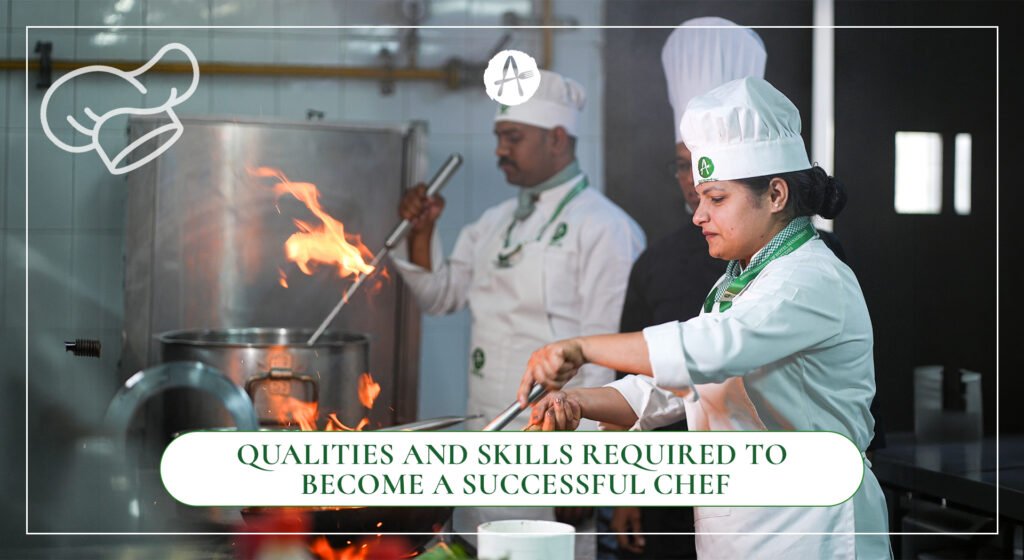
Have you ever wondered what it takes to become a professional chef? For someone who loves experimenting with ingredients, preparing delicious dishes and exploring different cuisines, becoming a chef can be an exciting career choice. However, professional cooking involves much more than preparing food. It requires creativity, discipline, technical knowledge, teamwork and the ability to perform under pressure.
The culinary industry offers diverse career opportunities in hotels, restaurants, resorts, cruise lines, catering businesses, bakeries and food entrepreneurship. As the hospitality industry continues to evolve, the demand for skilled culinary professionals with practical knowledge and industry experience is also growing.
If you are planning to build a career in this field, understanding the skills required to become a chef is an important first step. At AIHMAS, students can explore hospitality and culinary education through programmes designed to help them develop practical skills and prepare for professional opportunities.
Let’s explore the essential qualities, technical abilities and educational pathways that can help you become a successful chef.
1. Passion for Cooking and Learning
Passion is one of the most important qualities of a good chef. Professional kitchens involve long working hours, continuous learning and challenging situations. A genuine interest in food and cooking helps aspiring chefs stay motivated and committed to their profession.
A passionate chef is always curious about new ingredients, cooking techniques, regional cuisines and food trends. They enjoy experimenting with recipes and finding ways to improve their culinary creations.
However, passion alone is not enough. It must be supported by consistent practice, professional training and a willingness to learn.
2. Creativity and Innovation
Creativity plays an important role in developing a successful culinary career. Chefs are expected to create interesting dishes, experiment with flavours and present food in visually appealing ways.
From developing new recipes to creating seasonal menus, creativity allows chefs to bring their personal style into the kitchen.
For example, a chef might transform a traditional Indian recipe by experimenting with modern cooking techniques or introducing an innovative presentation style.
Creativity also helps chefs handle unexpected situations, such as working with limited ingredients or adapting menus to meet customer preferences.
3. Strong Knife Skills and Food Preparation Knowledge
Knife handling and food preparation are fundamental technical skills required to become a chef. Professional kitchens demand accuracy, speed and consistency when preparing ingredients.
Aspiring chefs should learn different cutting techniques, including:
- Dicing and chopping vegetables.
- Julienne and batonnet cutting.
- Slicing and mincing ingredients.
- Preparing meat, poultry and seafood.
- Handling kitchen knives safely.
Understanding these techniques improves preparation efficiency and ensures consistency in food quality.
Professional culinary training helps students practise these essential techniques and develop confidence in handling kitchen equipment.
4. Knowledge of Ingredients, Flavours and Cooking Techniques
A professional chef must understand how different ingredients work together. Knowledge of herbs, spices, seasonings, textures and flavour combinations helps chefs prepare balanced and appealing dishes.
Equally important is understanding different cooking methods, such as:
- Grilling and roasting.
- Baking and steaming.
- Sautéing and frying.
- Boiling and poaching.
- Slow cooking and braising.
Each cooking technique requires an understanding of temperature, timing and ingredient behaviour.
Chefs who develop strong foundational knowledge can work across different cuisines and gradually specialise in areas such as Indian cuisine, continental cooking, international cuisine or pastry arts.
5. Time Management and Multitasking
Professional kitchens operate in fast-paced environments, particularly during breakfast, lunch and dinner services. Chefs often need to prepare multiple dishes simultaneously while maintaining quality and presentation standards.
Effective time management helps chefs prioritise tasks, organise ingredients and complete orders within the required time.
Multitasking is equally important. A chef may need to monitor food preparation, coordinate with kitchen assistants, check cooking temperatures and ensure that dishes are ready for service at the right time.
Developing these skills helps aspiring chefs become more efficient and dependable professionals.
6. Teamwork and Communication Skills
A professional kitchen is a team environment. Executive chefs, sous chefs, commis chefs, kitchen assistants and other staff members work together to deliver a consistent dining experience.
Good communication ensures that instructions are understood, responsibilities are clear and kitchen operations run smoothly.
Teamwork also involves respecting colleagues, accepting feedback, supporting other kitchen staff and maintaining coordination during busy service hours.
Students who develop interpersonal and communication skills during their hospitality education can find it easier to adapt to professional kitchen environments.
7. Organisation and Kitchen Management
Being a chef involves much more than cooking. As professionals gain experience, they may take responsibility for managing kitchen operations, supervising staff and maintaining food quality standards.
Important organisational skills include:
- Managing kitchen inventory and ingredients.
- Planning menus and recipes.
- Monitoring food costs and wastage.
- Maintaining kitchen cleanliness.
- Coordinating kitchen staff.
- Ensuring timely food preparation.
These responsibilities become particularly important when progressing towards supervisory and managerial positions.
8. Food Safety, Hygiene and Attention to Detail
Food safety is a fundamental responsibility in the culinary profession. Chefs must understand proper food handling, storage temperatures, kitchen sanitation and personal hygiene.
They should also be aware of food allergies, dietary requirements and the prevention of cross-contamination.
Attention to detail is equally important when measuring ingredients, following recipes, checking cooking temperatures and presenting dishes.
Maintaining hygiene and quality standards helps protect customers and builds trust in a food business.
9. Ability to Work Under Pressure
Working in a professional kitchen can be demanding. During peak service hours, chefs may have to handle several orders, coordinate with team members and maintain consistency without compromising food quality.
The ability to remain calm, make quick decisions and solve problems is an essential quality of a successful chef.
Developing patience, discipline and confidence can help aspiring culinary professionals manage these challenges effectively.
10. Adaptability and Continuous Learning
The food and hospitality industries constantly evolve. New culinary trends, international cuisines, ingredients and food presentation techniques continue to influence customer expectations.
Successful chefs stay updated with these developments and continuously improve their knowledge.
They are open to learning new techniques, accepting feedback and adapting to different kitchen environments.
Whether working in a luxury hotel, independent restaurant, bakery or cruise kitchen, adaptability can help professionals explore new career opportunities.
What Course Should You Choose to Become a Professional Chef?
While some people begin their culinary journey through personal experience, professional education can provide a structured foundation for developing culinary knowledge and practical abilities.
Choosing the right programme depends on your educational background, career goals and area of interest.
At AIHMAS, students can explore hospitality and culinary education through different academic pathways.
1. Diploma Courses in Culinary Arts and Bakery
Diploma programmes are suitable for students interested in developing specialised knowledge of food preparation, culinary techniques and bakery operations.
These programmes can help aspiring professionals build foundational skills for exploring opportunities in restaurants, hotel kitchens, bakeries and food businesses.
2. Bachelor-Level Hospitality Programmes
Students interested in pursuing a broader career in the hospitality industry can explore undergraduate programmes such as:
- Bachelor of Hotel Management (BHM).
- B.Voc in Hospitality and Hotel Management.
These programmes offer a pathway to understanding different hospitality operations while developing professional knowledge relevant to the hotel and food service industries.
3. Postgraduate Hospitality Programmes
For graduates looking to advance their academic knowledge and explore higher-level hospitality opportunities, AIHMAS offers postgraduate pathways such as:
- Master of Hotel Management (MHM).
- M.Voc in Hospitality and Hotel Management.
The right programme can help students build knowledge of hospitality operations, management and industry practices.
Students should review programme eligibility, duration and curriculum before selecting a course.
Career Opportunities After Culinary and Hotel Management Education
Professional culinary education can open doors to different career opportunities across the hospitality and food service sectors.
Some career options include:
- Commis Chef: Assists senior chefs with food preparation and daily kitchen operations.
- Chef de Partie: Manages a particular section or station within a professional kitchen.
- Sous Chef: Supports the head chef in supervising kitchen staff and coordinating operations.
- Executive Chef: Oversees kitchen management, menu planning, food quality and culinary teams.
- Pastry Chef: Specialises in preparing desserts, cakes, pastries and baked products.
- Bakery Professional: Works in bakeries, hotels, restaurants and specialised food businesses.
- Food Entrepreneur: Starts an independent restaurant, café, bakery or food venture.
Career progression depends on practical experience, professional skills, qualifications and individual performance.
Begin Your Culinary Journey with AIHMAS
Becoming a successful chef requires the right combination of passion, creativity, technical knowledge and professional discipline. While natural interest in cooking can inspire you to enter the culinary world, structured education and practical skill development can help you prepare for the demands of the profession.
At the Asian Institute of Hotel Management and Applied Sciences (AIHMAS), students can explore hospitality education in Jaipur and Udaipur through undergraduate, postgraduate and specialised diploma programmes.
Whether your interest lies in professional cooking, bakery and pastry arts or the wider hospitality industry, choosing the right educational pathway is an important step towards your career goals.
Explore hospitality and culinary programmes at AIHMAS and take the first step towards building your future in the hospitality industry.